UNHEIMLICHES
HEIM
MEDIUM / Stage Design Concept
DATE / 2026
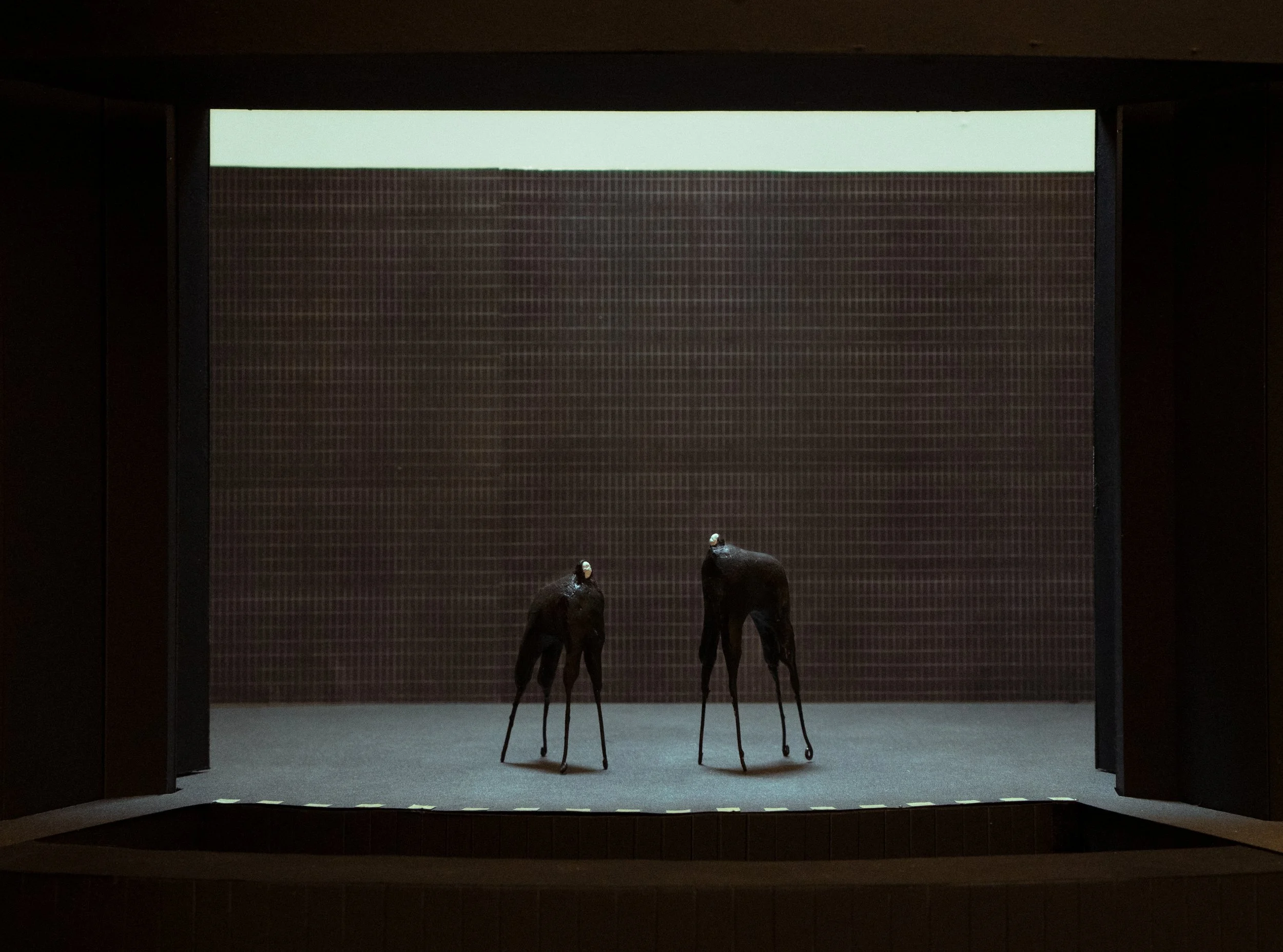
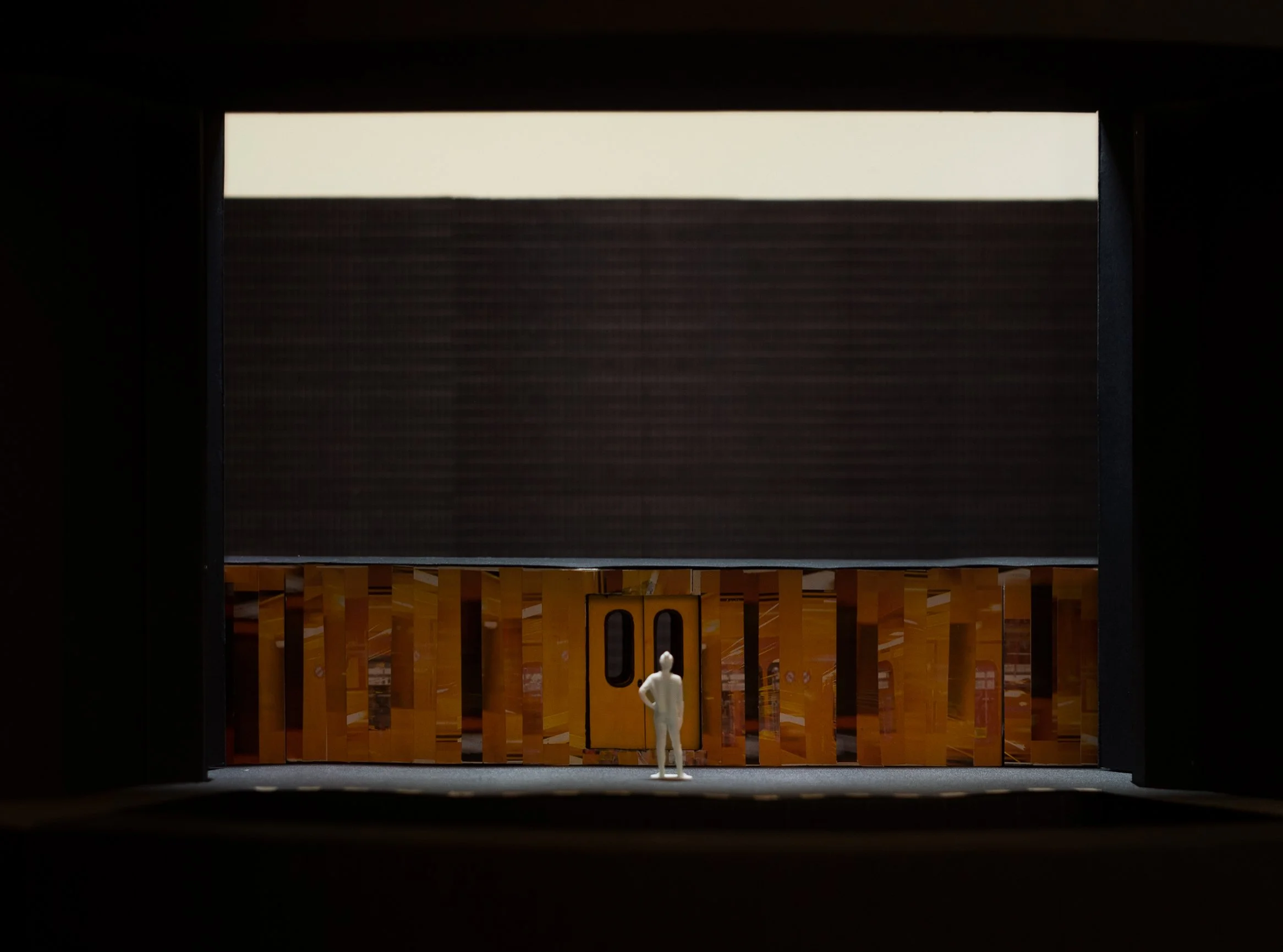
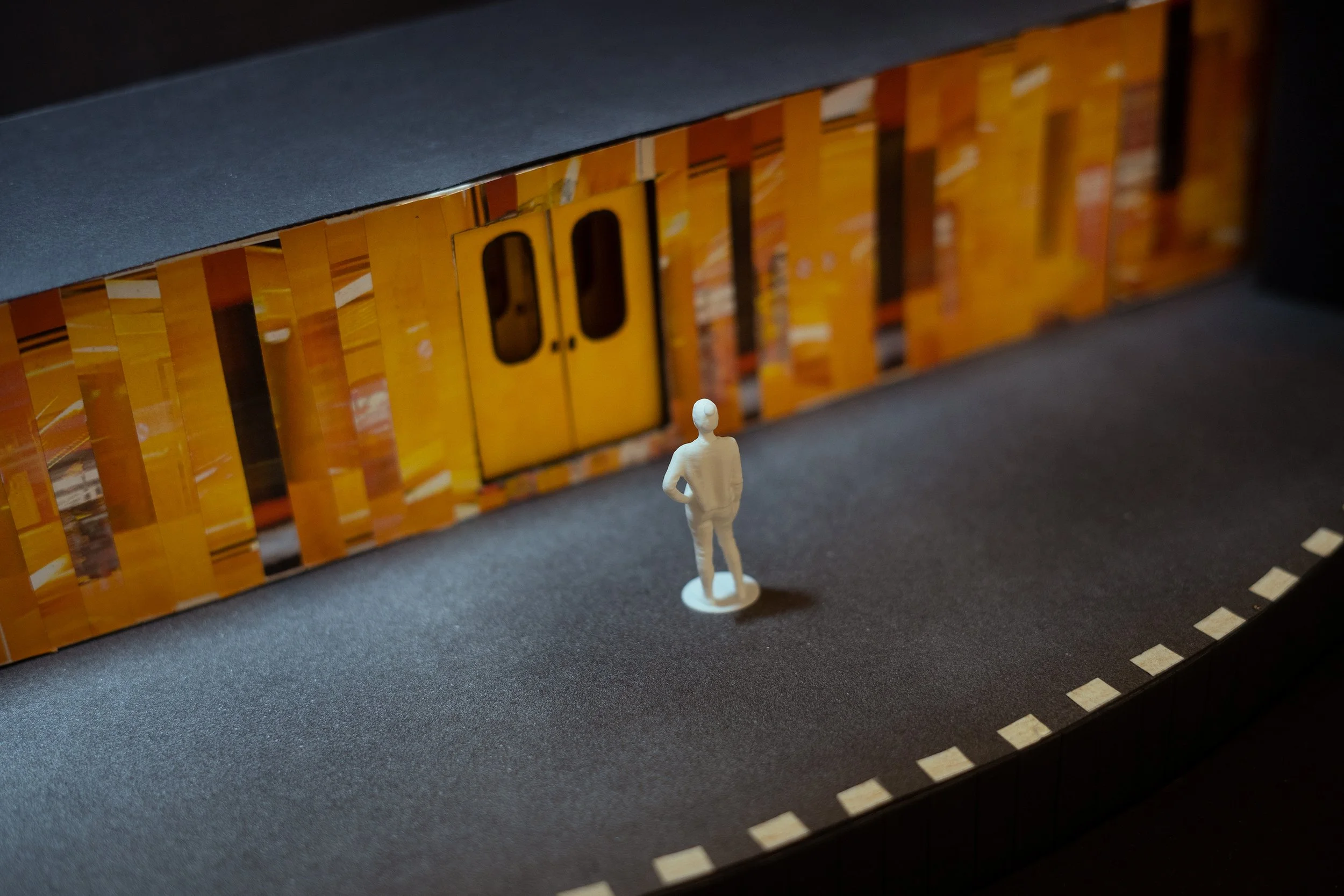
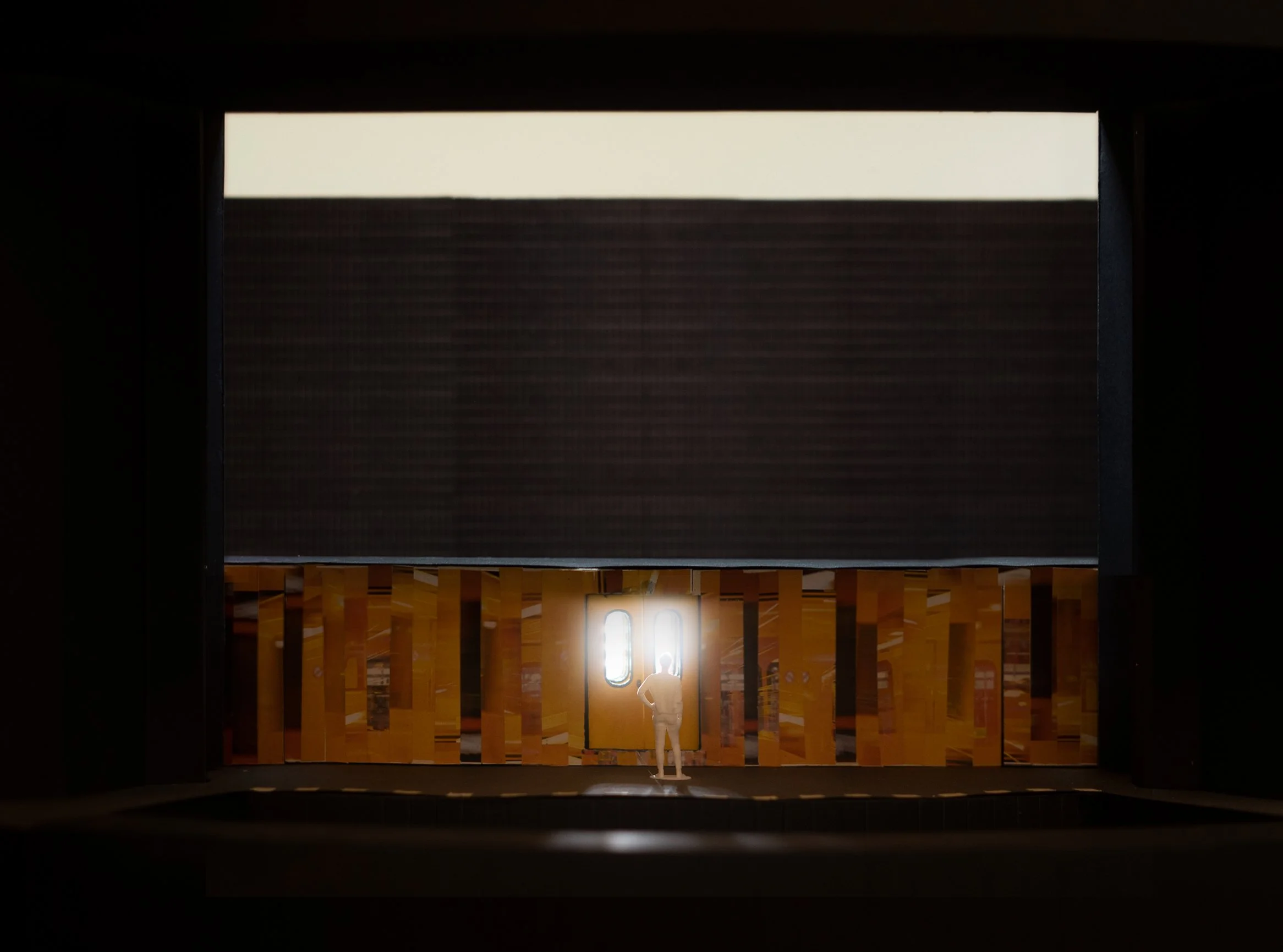
A stage design concept for an imagined theatre play about Berlin’s housing crisis and the shared-living horror stories that come with it.
UNHEIMLICHES HEIM
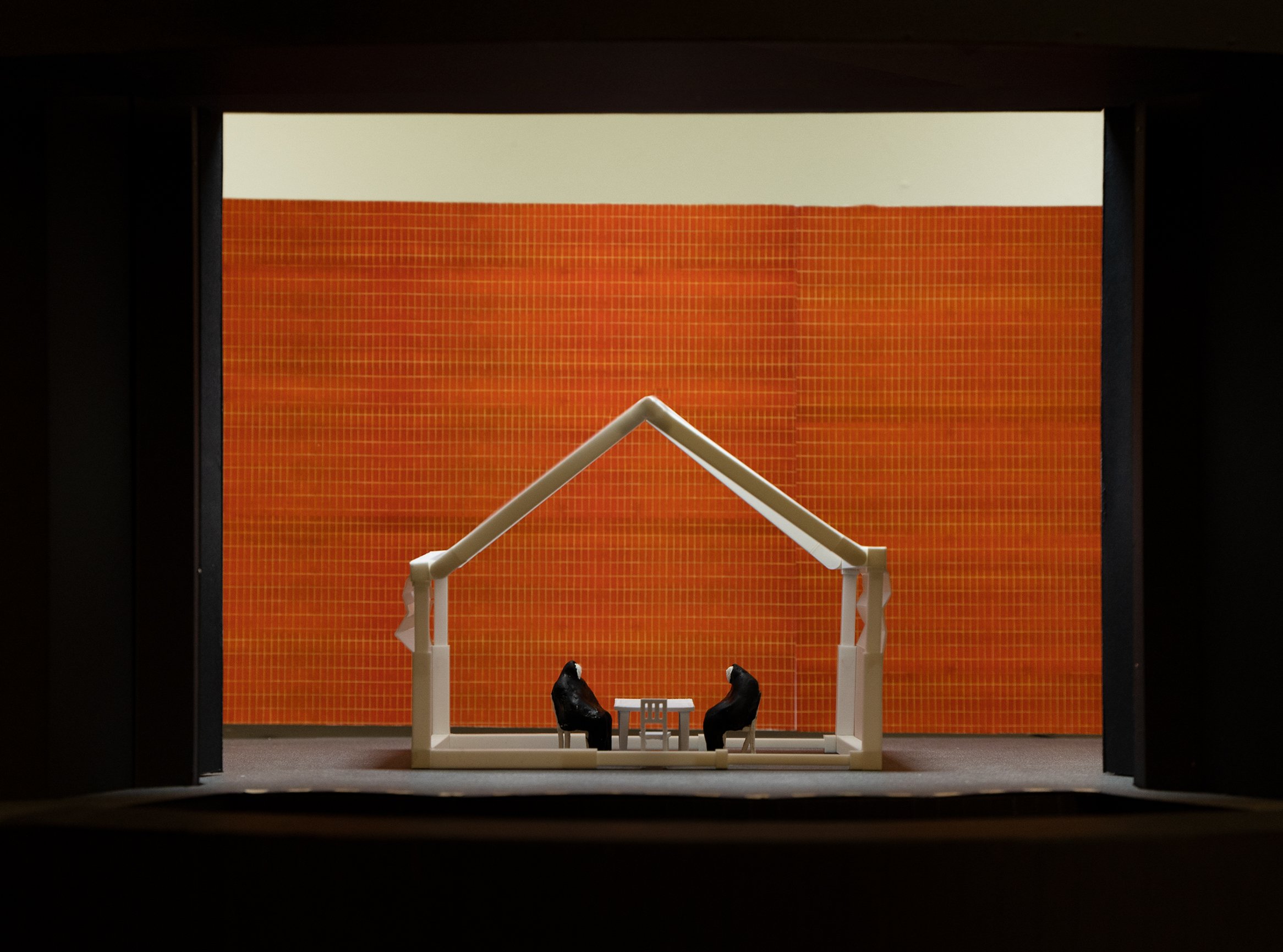
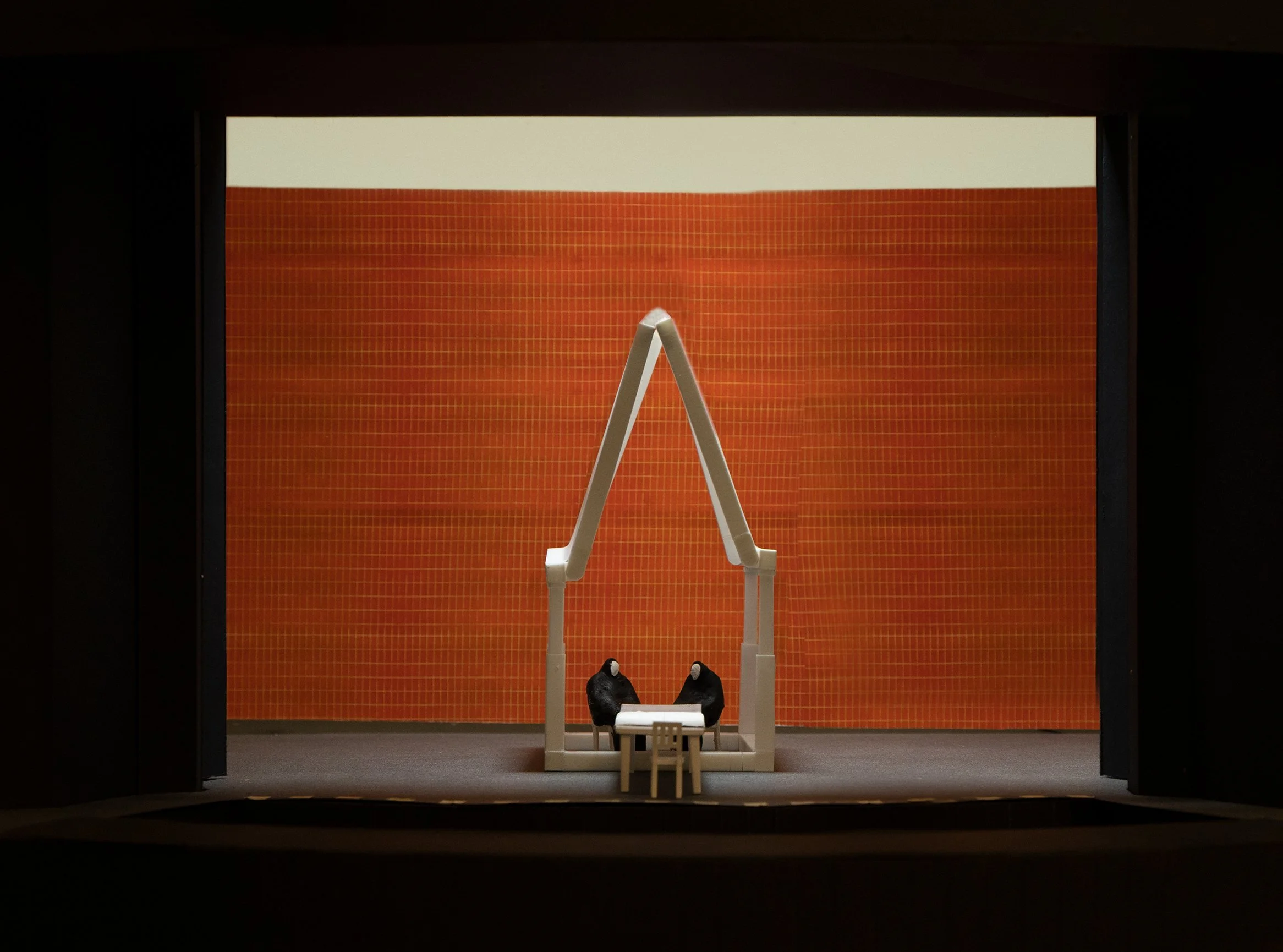
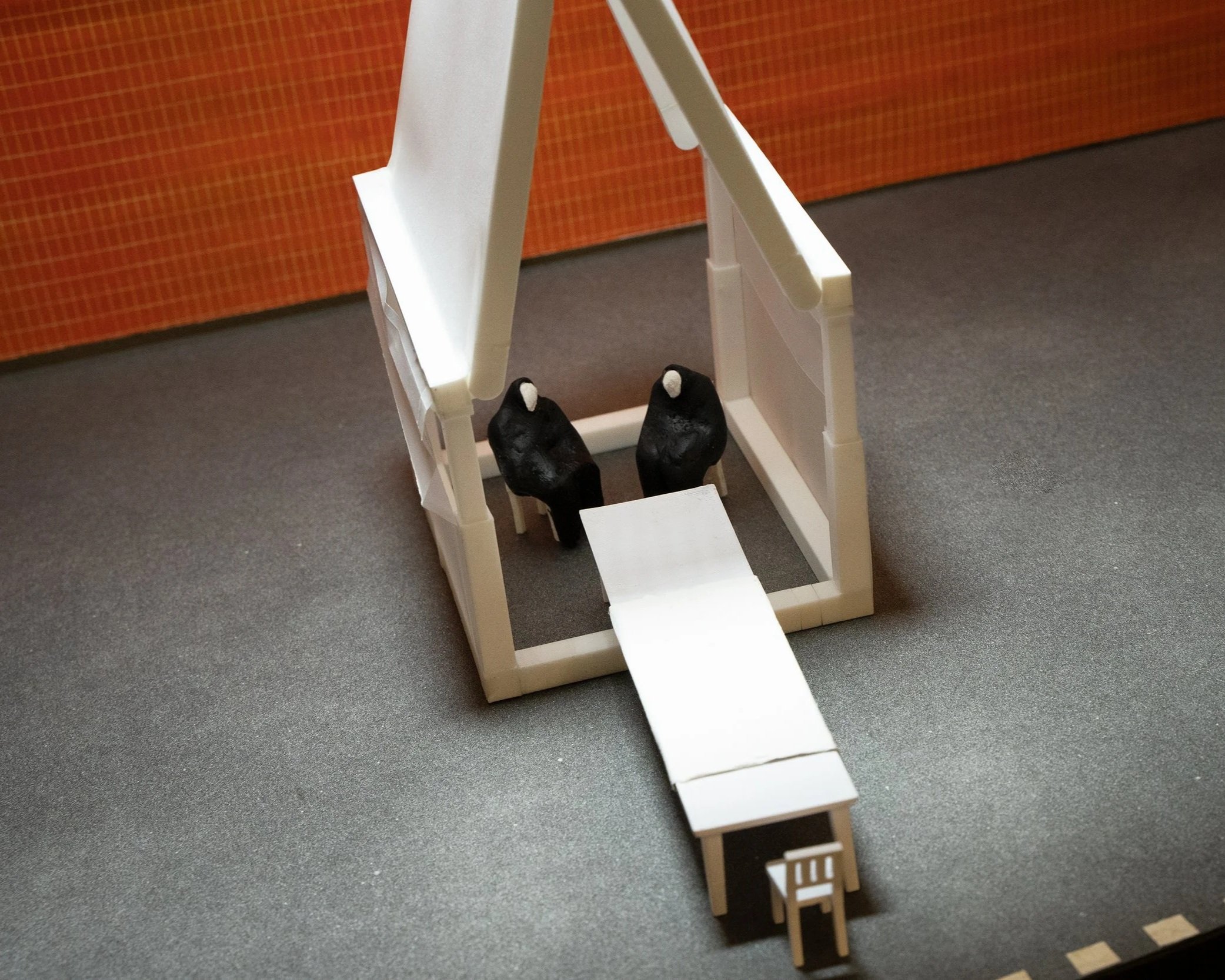
The stage design for Unheimliches Heim looks at the strange relationship we have with the place we call home. The title itself plays with the Freudian concept of the Unheimlich, the uncanny and the Heim, or home. What should be intimate and secure becomes estranged, threatening, and permeable. The imagined play was inspired by Emanuele Coccia’s The Philosophy of Home (2020).
The room on stage expands and contracts. The walls move, the space gets smaller, then opens up again. It reflects what it can feel like to live in a shared flat in Berlin, where there is never quite enough space and where your private life is constantly mixed with someone else’s. Throughout the play, the room transforms from a kitchen, to a bathroom, to a bedroom, to a corridor, and finally into a U-Bahn wagon. The audience is taken through the different spaces of a WG, moving from the more shared and public areas towards the more private ones, before finally escaping the flat altogether and ending up in the U-Bahn. The stage design is strongly influenced by the aesthetic of the Berlin U-Bahn, using familiar elements, symbols and furniture from the system. For example, the bathroom mirror is designed like an U-Bahn mirror, while the seating in the corridor is an expanding U-Bahn seat covered in the iconic BVG tapestry.
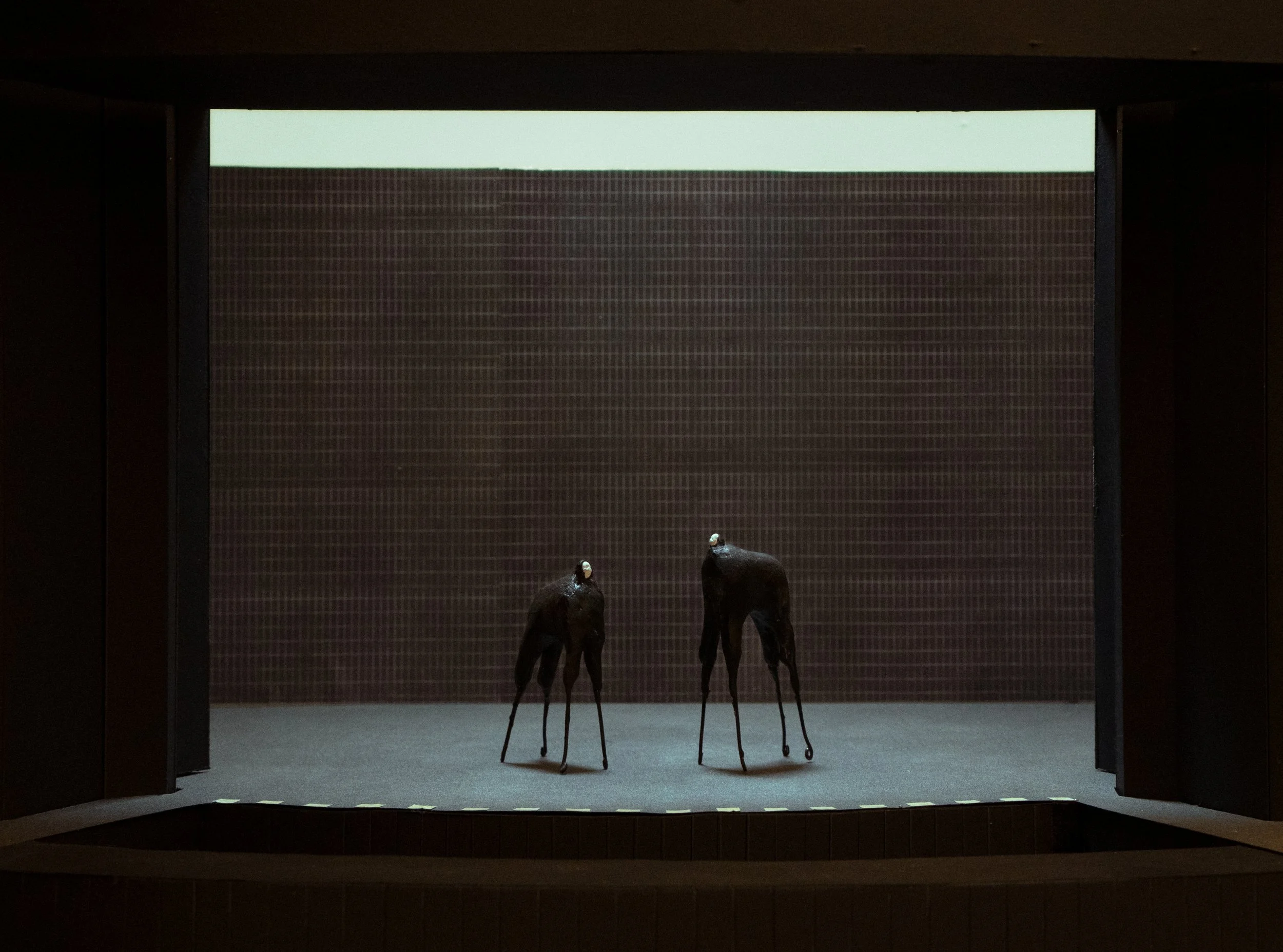
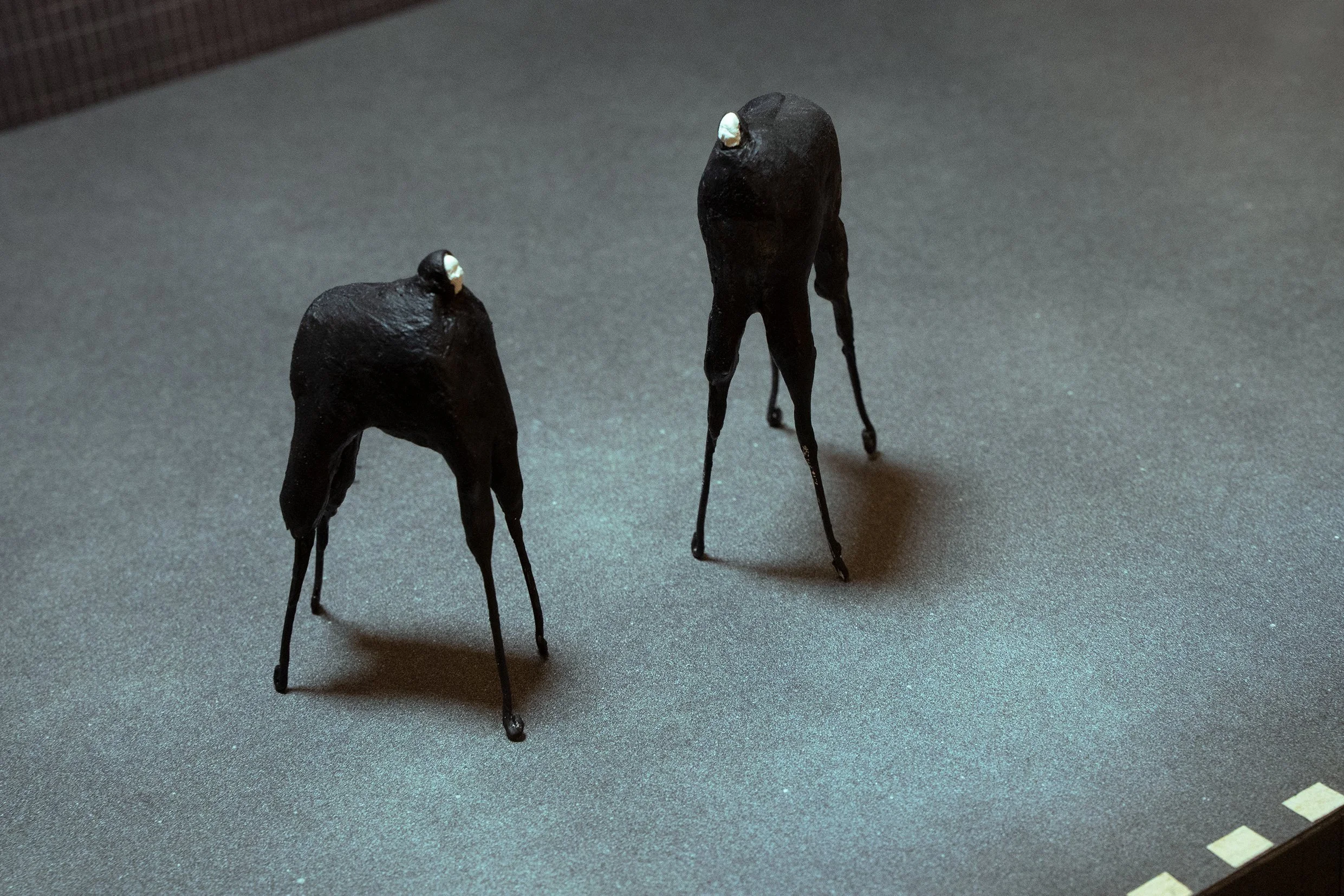
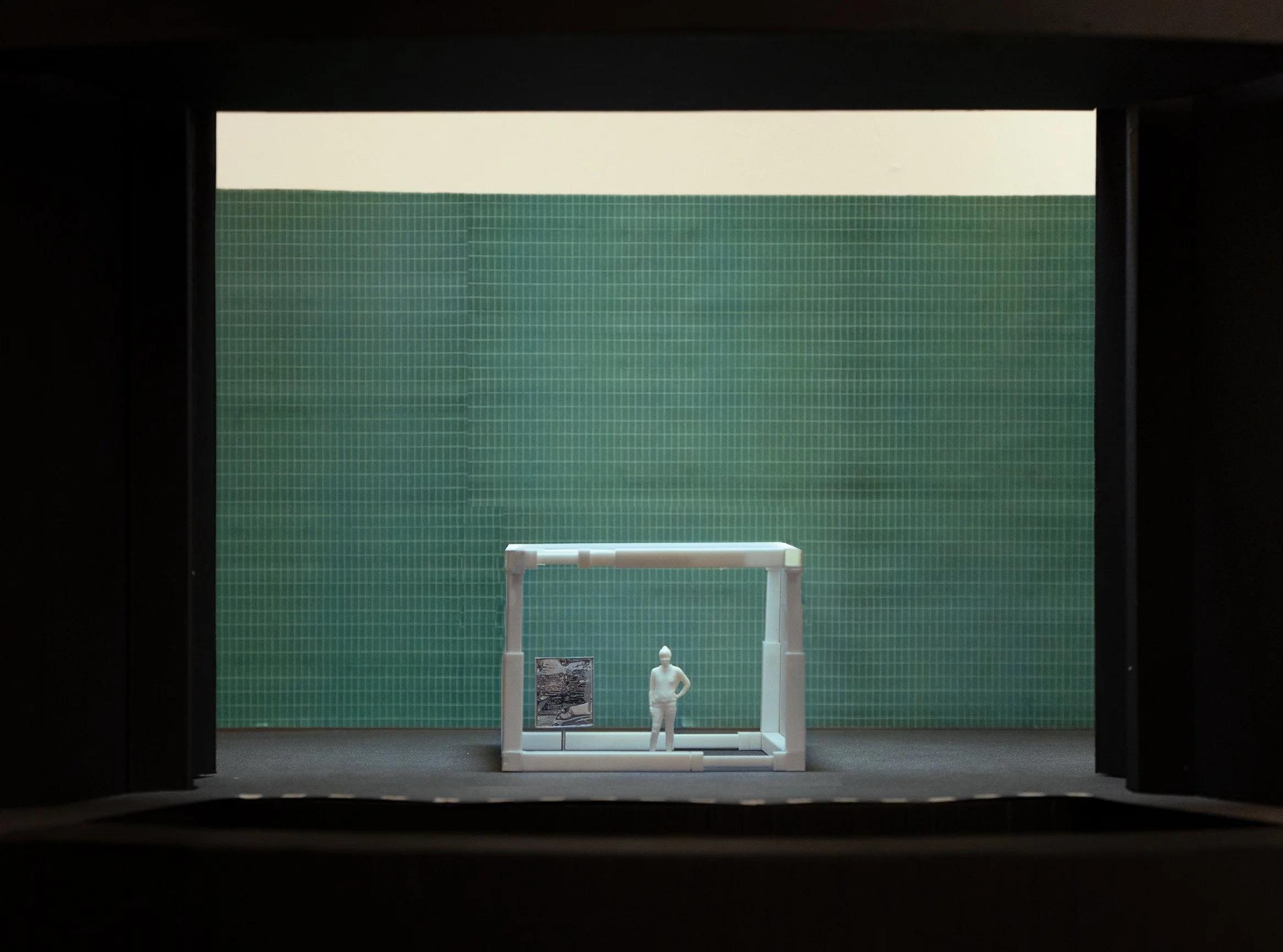
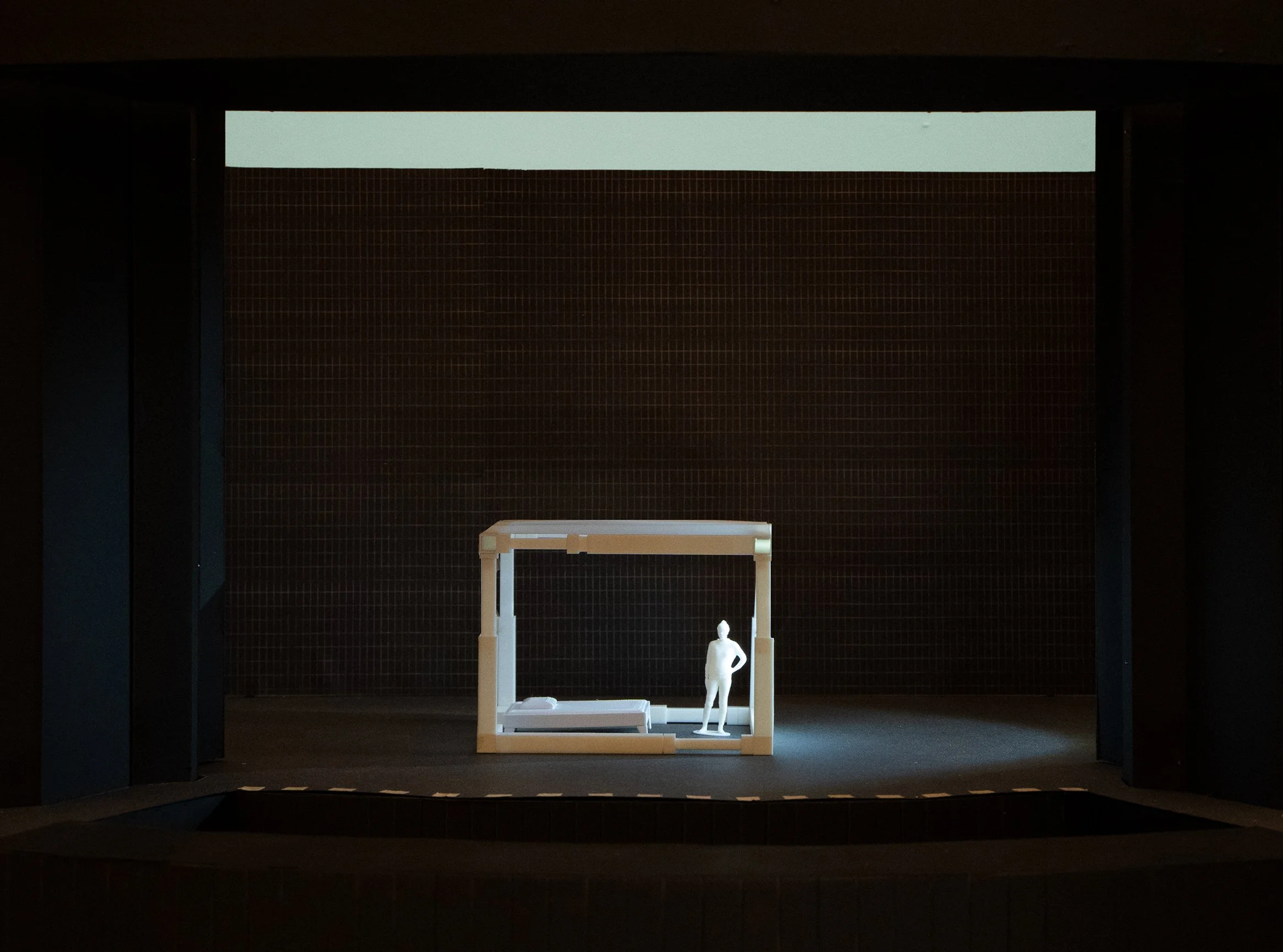
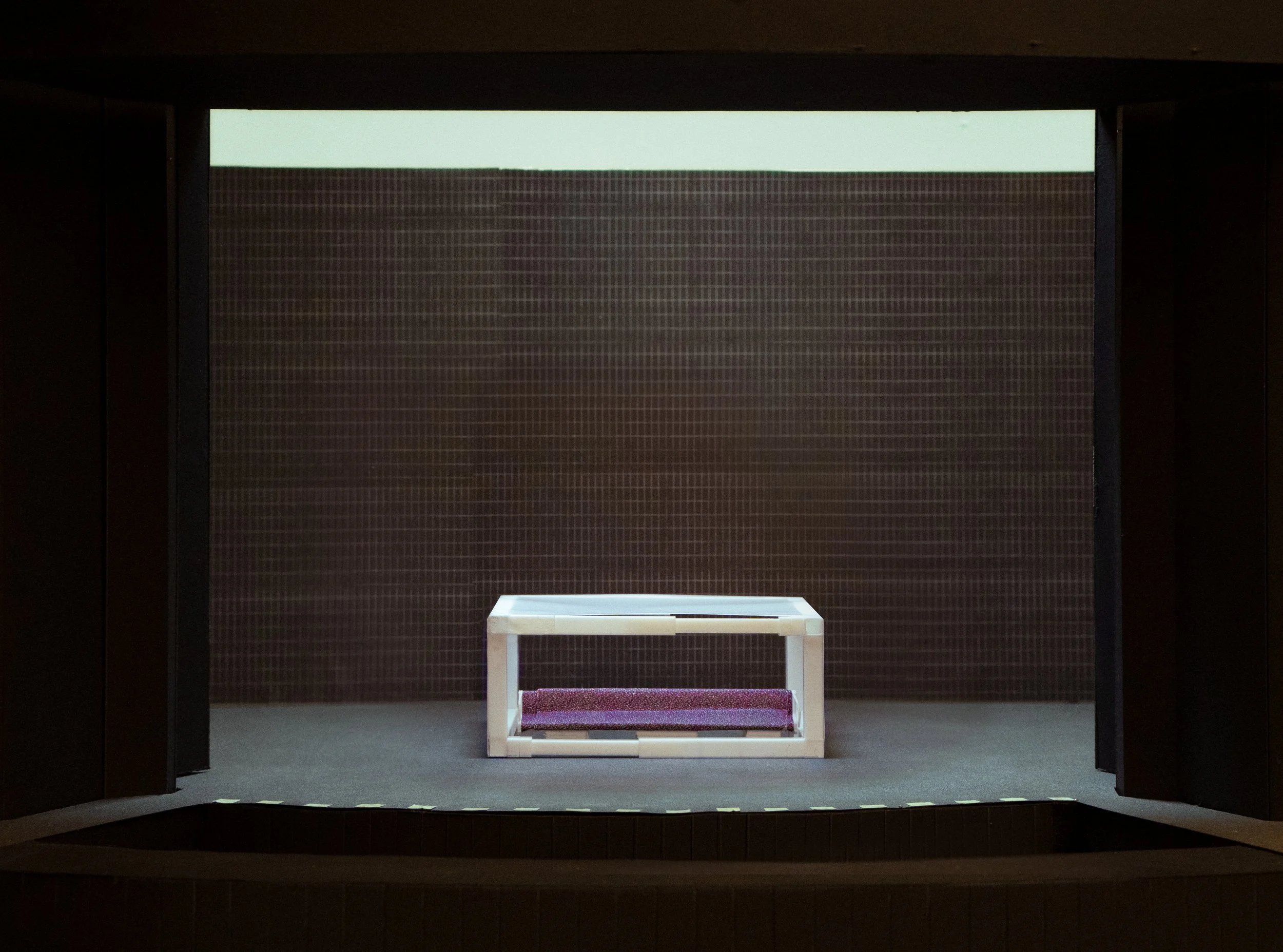
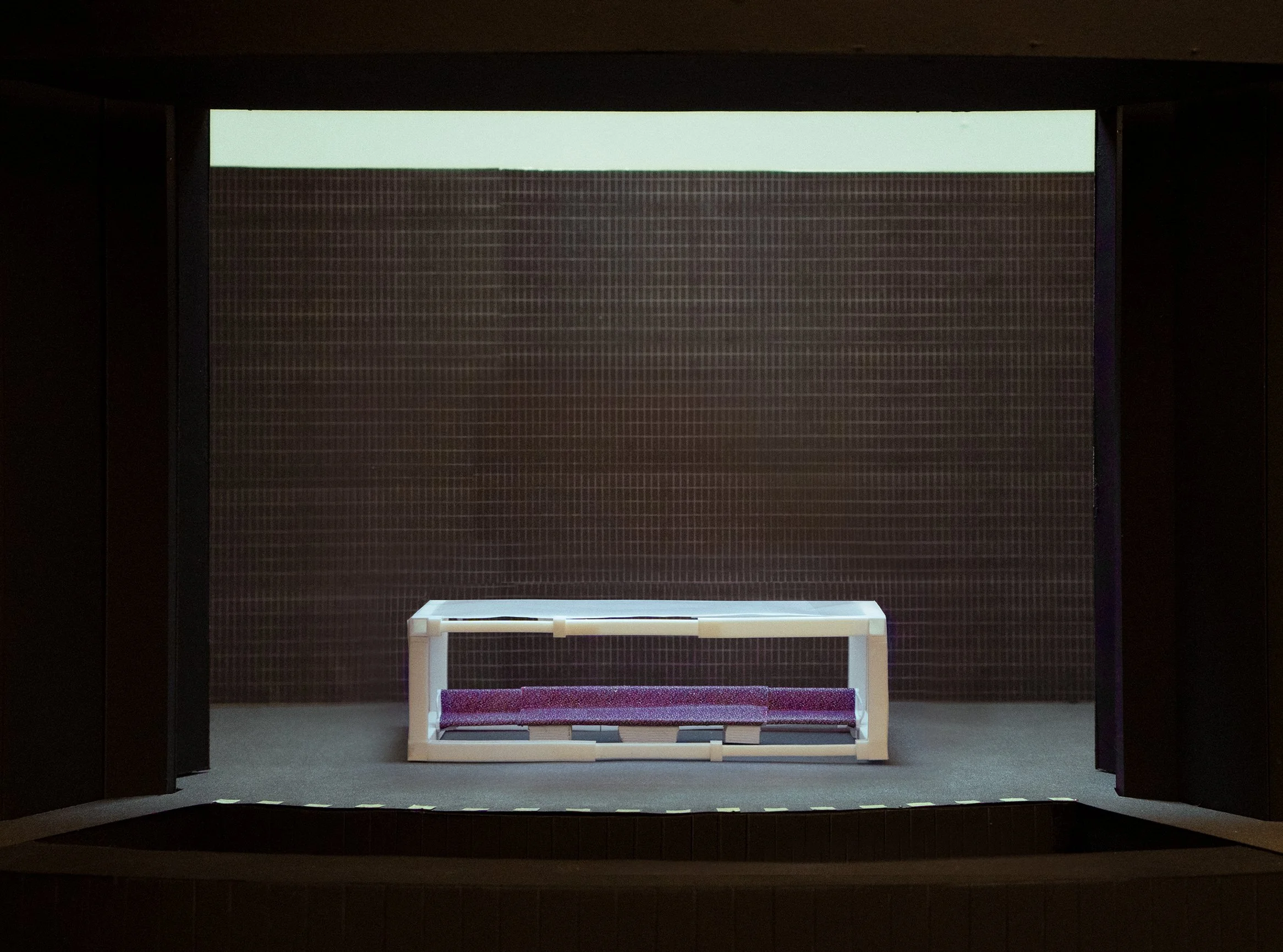
In Berlin, the underground can sometimes become a kind of temporary home. One intentionally misses a stop to postpone returning to an uncomfortable flat siuation. One finishes applying make-up during the commute. Homeless individuals use the train network as shelter. The underground becomes a shared, transient living room, almost as a response to the absence of living rooms in Berlin apartments. It becomes saturated with intimate acts: private phone calls, whispered confessions, moments of exhaustion or emotional breakdown. The supposedly public space accommodates intensely private acts.
In contrast, the shared flat, which is supposed to offer privacy, is full of exposure, courtesy of intrusive roommates. They hear you through the walls, listen in on your conversations, go into your room while you are away, look through your things, and try to involve themselves in your life. You start changing your routines just to avoid them, staying in your room, wearing headphones, or waiting until they leave before using the kitchen or bathroom. Your own home starts to feel like a place where you are constantly being watched, heard, or interrupted.
So the two spaces almost switch roles. The U-Bahn, a public space, can feel private, while the private appartment, can feel public. Both become liminal places of in-betweenness. They are neither one nor the other, but somehow both at the same time, spaces where you are never completely alone.